
Mission-critical systems operating in space, high-altitude defense, and radiation-exposed environments demand disciplined component selection from the outset. Radiation exposure, lifecycle continuity, and environmental stress are not afterthoughts; they are defining constraints.
US Semiconductor supports programs in determining and supplying component pathways aligned to harsh-environment requirements. We engage upstream to help define which devices – radiation-hardened, radiation-tolerant, or carefully evaluated commercial COTS – best satisfy mission exposure, schedule, and lifecycle constraints.
We do not operate radiation chambers. We provide components and determine qualification-aligned sourcing strategies within mission-defined boundaries.
Radiation evaluation includes Total Ionizing Dose (TID), Single Event Effects (SEU, SEL, SET), Linear Energy Transfer (LET), node scaling vulnerability, shielding strategy, and redundancy architecture. Radiation tolerance is treated as a design variable within the component pathway — not as a standalone service.
Radiation-exposed systems often face obsolescence and DMSMS challenges. US Semiconductor structures replacement pathways that preserve configuration discipline, avoid unnecessary redesign, and maintain lifecycle sourcing continuity.
Radiation-exposed electronics programs must account for several architectural variables when determining the appropriate component pathway. These variables influence device selection, qualification depth, and long-term system reliability.
Total Ionizing Dose (TID) accumulation varies significantly depending on orbit profile, altitude, and mission duration. Engineers must align component tolerance levels with expected exposure across the mission lifecycle.
Single Event Upsets (SEU), Single Event Latchup (SEL), and Single Event Transients (SET) can influence device behavior under radiation exposure. Component pathway determination evaluates acceptable upset rates relative to mission redundancy strategies.
LET sensitivity influences how semiconductor devices respond to energetic particle strikes. Engineers frequently evaluate LET thresholds relative to shielding assumptions and mission exposure modeling.
Radiation-qualified components often have limited manufacturing lifecycles. Structured sourcing strategies protect programs from discontinuation risk and support long-term sustainment.
Radiation-exposed systems frequently evaluate several semiconductor classes depending on mission exposure and architecture constraints.
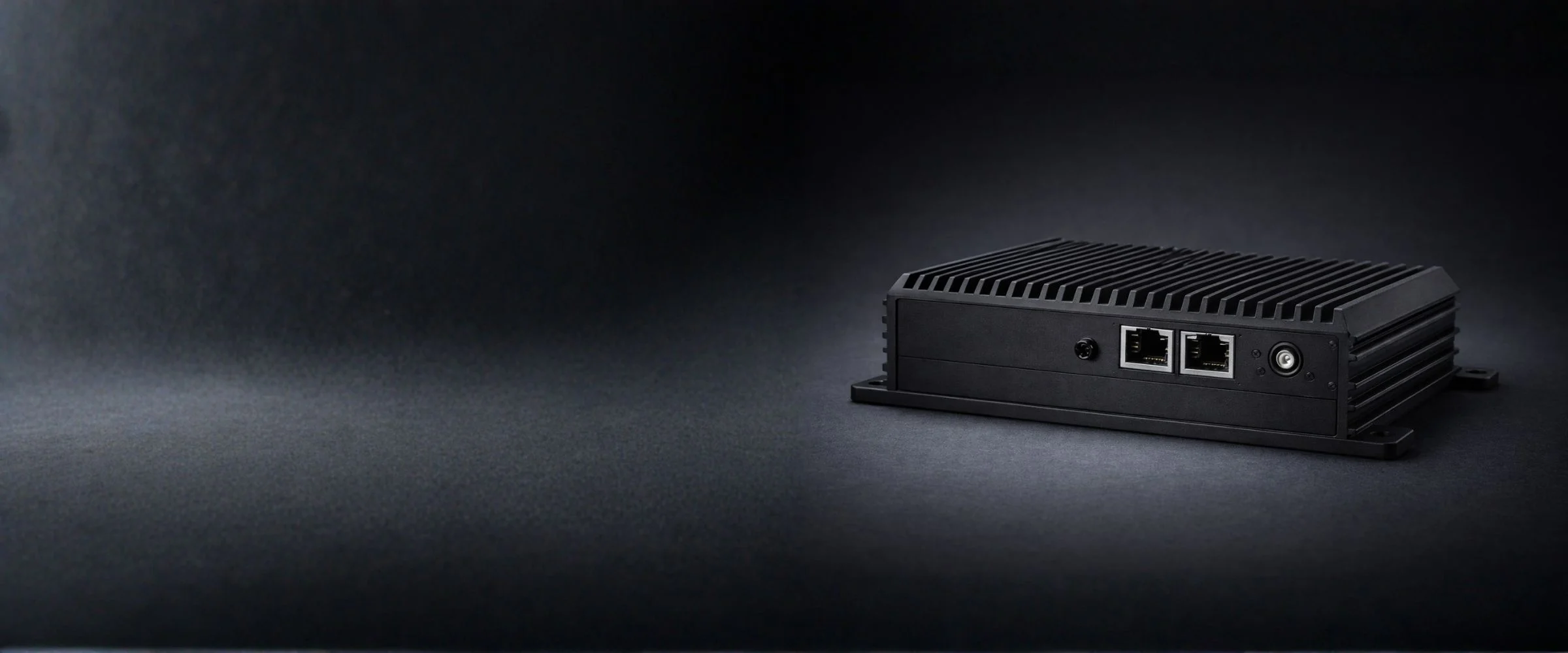
Radiation-tolerant or hardened FPGAs support mission logic, signal processing, and control architectures. Engineers assess configuration memory resilience, mitigation strategies such as scrubbing, and long-term vendor availability.
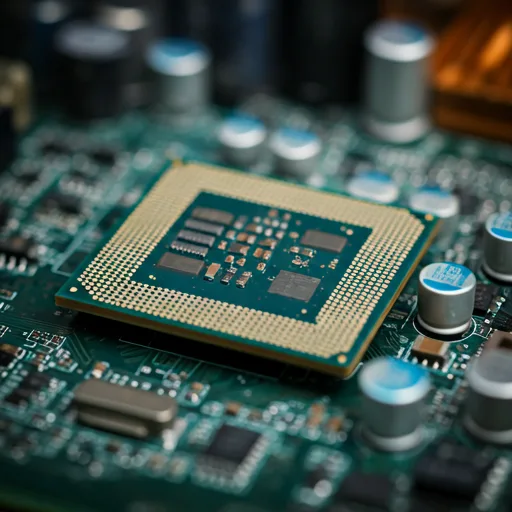
Compute devices are evaluated for deterministic timing behavior, radiation tolerance, and lifecycle availability aligned to mission duration.
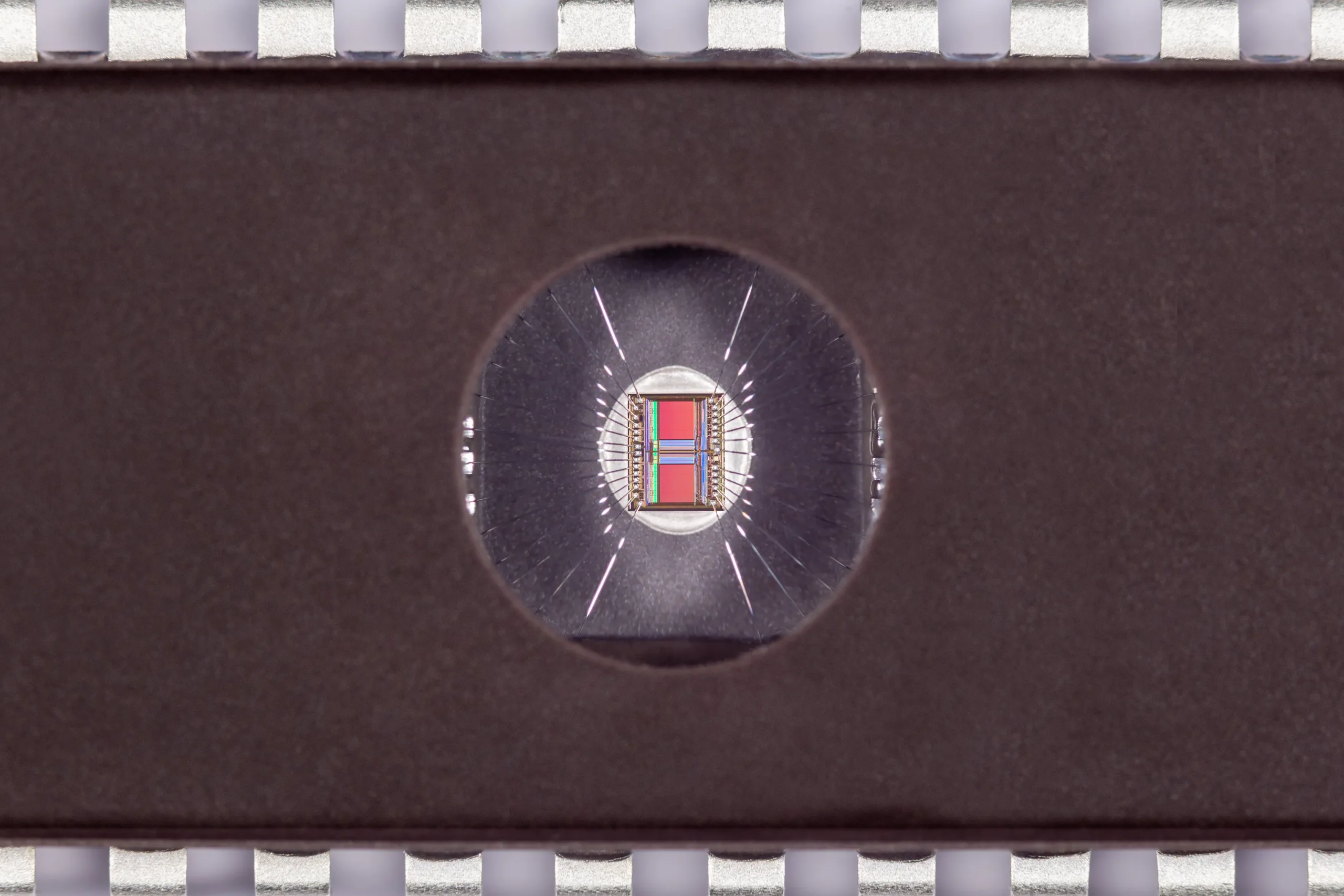
Space-qualified or radiation-tolerant memory components support configuration storage, telemetry buffering, and payload data integrity across mission exposure conditions.

Power management ICs, regulators, and analog signal-conditioning devices must maintain electrical stability while operating under radiation exposure and thermal stress.
Radiation resilience is rarely achieved through component selection alone. Engineers often combine component pathway determination with system-level mitigation techniques.
1
Redundant compute paths, voting architectures, and failover strategies can reduce the impact of radiation-induced faults.
2
Periodic FPGA configuration scrubbing mitigates SEU accumulation in configuration memory for reconfigurable compute systems.
3
Mechanical shielding, board layout strategies, and system-level placement decisions can reduce radiation exposure to sensitive components.
US Semiconductor provides components aligned to harsh-environment qualification requirements. We determine appropriate radiation-hardened or radiation-tolerant pathways, identify viable commercial COTS options, align device selection to mission exposure, coordinate validation activities when required, and preserve lifecycle continuity. We are not a laboratory or certification authority.
Early alignment of sourcing, radiation exposure, lifecycle continuity, and qualification strategy prevents costly redesign and schedule disruption.
Standard terrestrial components are not designed to mitigate the cumulative effects of ionizingradiation or the lack of atmospheric convective cooling. Specialized pathways ensure thatcomponents are selected, screened, and architected specifically to handle the physical andelectrical stressors of space environments.
Standard terrestrial components are not designed to mitigate the cumulative effects of ionizingradiation or the lack of atmospheric convective cooling. Specialized pathways ensure thatcomponents are selected, screened, and architected specifically to handle the physical andelectrical stressors of space environments.
Outline the specific component or system constraint your program is facing. Technical discussion only, focused on requirements, tradeoffs, and viable pathways.
"*" indicates required fields
Define your program context and where component decisions must be made. We’ll align on constraints, requirements, and the most effective pathway forward.
"*" indicates required fields