
Analog and power components rarely get the attention of processors and FPGAs — until instability surfaces. In mission-critical systems, power integrity, signal conditioning stability, and thermal margin directly influence system reliability, radiation tolerance, and deterministic performance.
US Semiconductor supports programs in determining and supplying analog and power component pathways aligned to environmental exposure, lifecycle continuity, and qualification requirements.
We do not operate as a laboratory. We provide components and structured pathway determination within mission-defined governance frameworks.
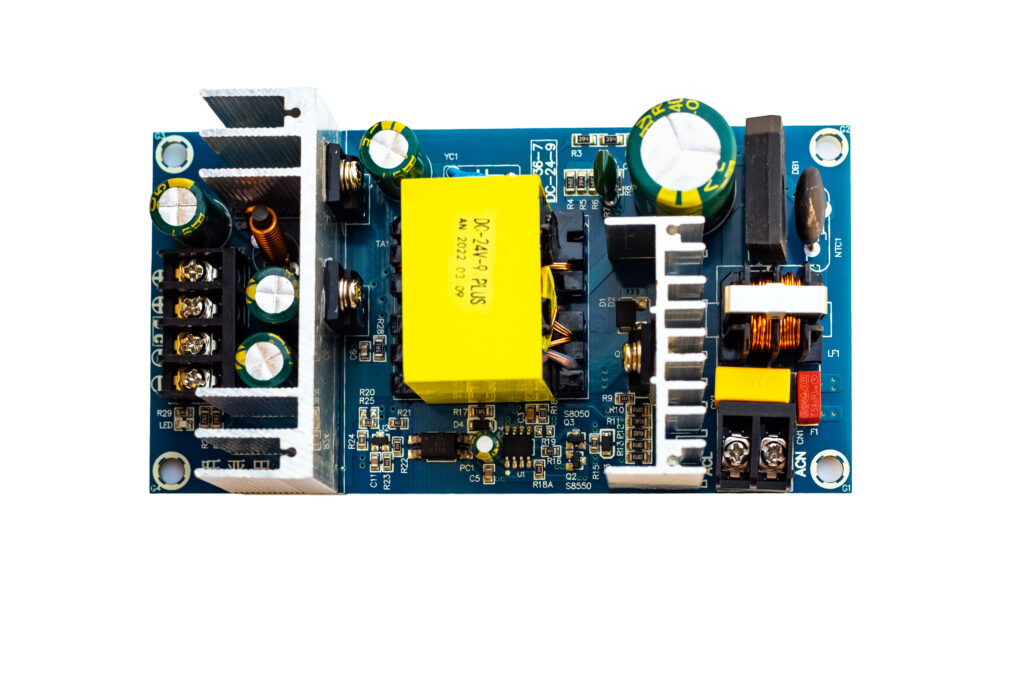
Programs evaluate radiation-hardened and radiation-tolerant power management ICs, DC-DC converters, voltage supervisors, precision amplifiers, signal conditioning components, and ADC/DAC support devices aligned to mission envelope and lifecycle expectations.
In space and high-altitude missions, power devices are evaluated relative to TID accumulation, SEE susceptibility, LET exposure, parametric drift under radiation, and thermal behavior across mission duration.
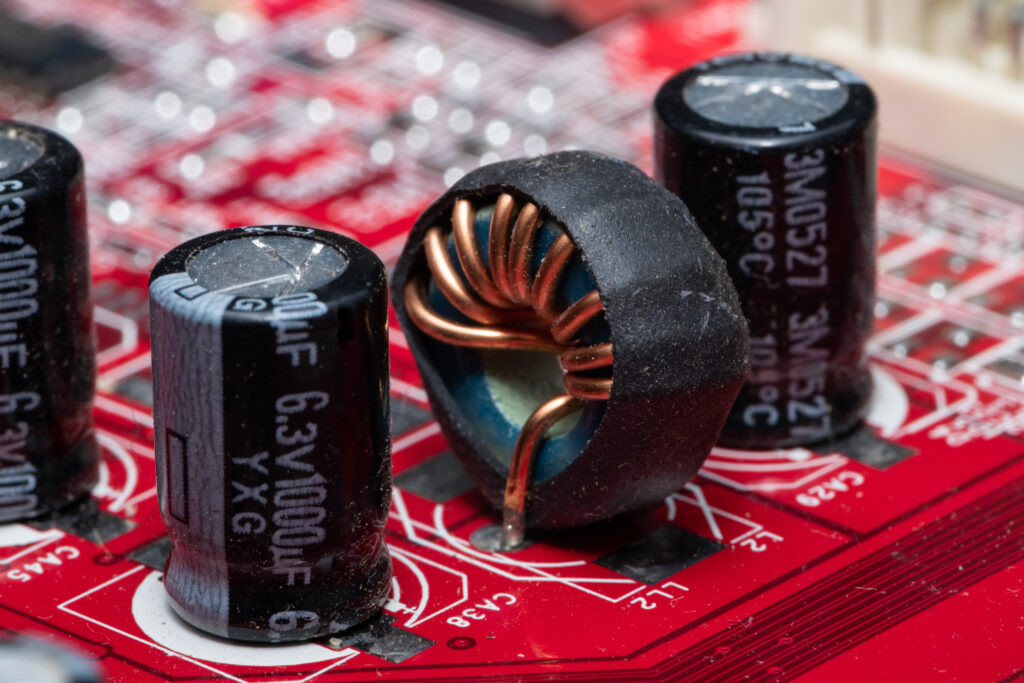
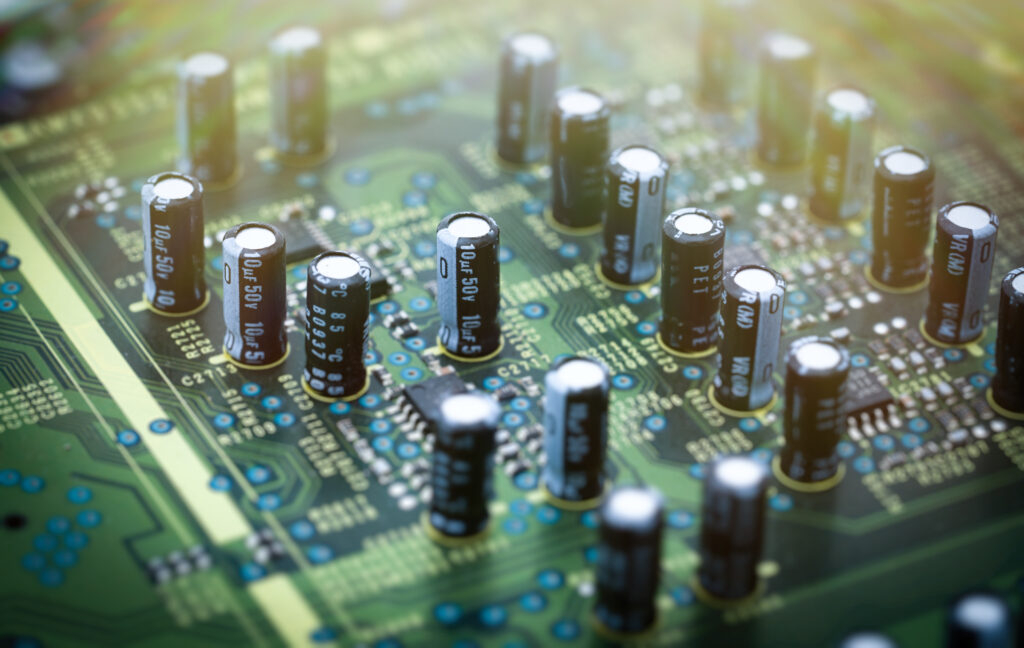
Low-noise amplification, stable reference voltages, drift-resistant signal conditioning, and temperature-compensated performance are critical to maintaining sensor fidelity and system determinism.
Vendor consolidation, process migration, and parametric shifts introduce risk. Replacement strategies must preserve electrical stability, qualification alignment, thermal margin, and lifecycle continuity.
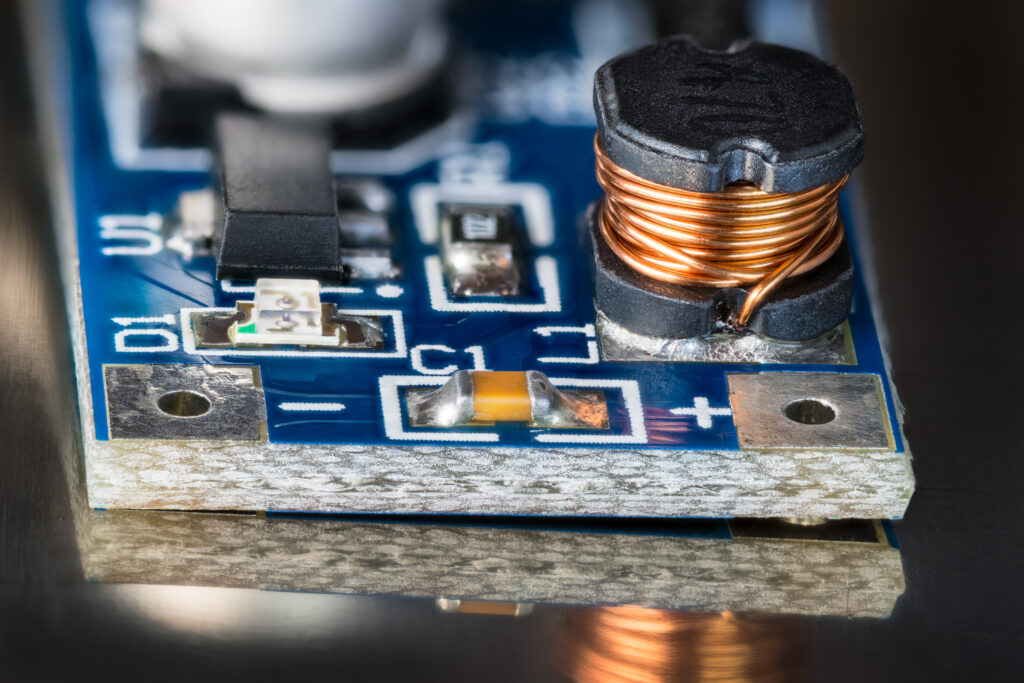
Engineers designing mission-critical electronics must evaluate several architectural variables when determining power management and analog semiconductor pathways.

Mission systems frequently operate under fluctuating compute loads and environmental conditions. Power management devices must maintain voltage stability across dynamic load conditions to prevent compute or sensor instability.

Power components often generate significant heat under sustained operation. Engineers must align device selection to thermal envelope constraints across mission environments.

In high-altitude and space environments, analog and power devices may experience radiation exposure that influences device performance. Evaluation includes Total Ionizing Dose tolerance and Single Event Effects susceptibility.

Power management ICs frequently evolve as fabrication technologies advance. Programs must consider vendor roadmap stability and long-term availability when selecting power platforms.
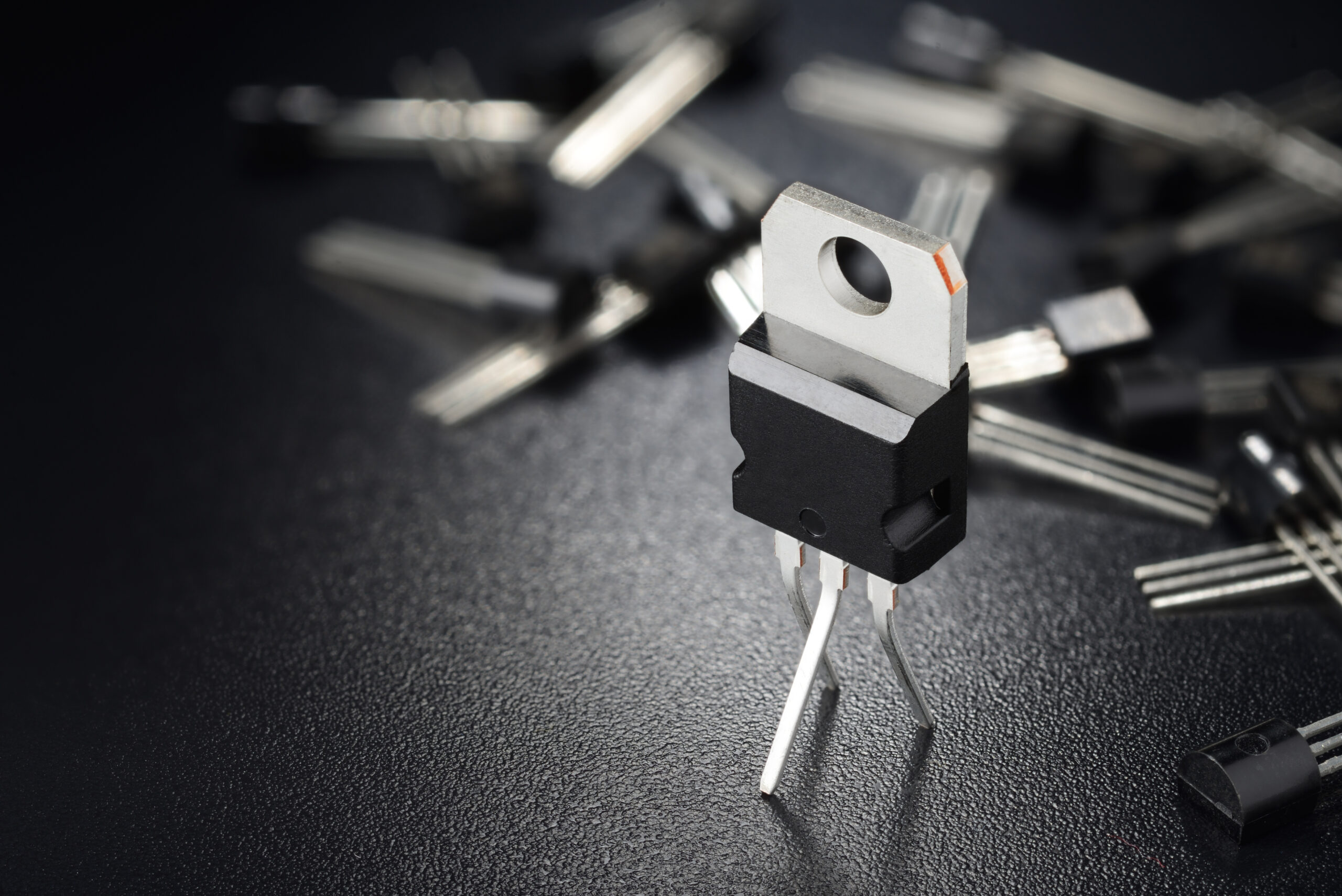
US Semiconductor provides analog and power components aligned to mission-defined qualification requirements, structures pathway strategies around stability, regulation, and environmental constraints, coordinates validation where required, and preserves system integrity and lifecycle continuity.
Align commercial power and analog components to mission-defined qualification, stability, and reliability requirements.
Support signal integrity, power stability, and conditioning across mission-critical sensor and data systems.
Maintain stable power regulation and signal behavior within deterministic flight system architectures.
US Semiconductor supports engineering teams in determining semiconductor component pathways that align to mission architecture, qualification requirements, and lifecycle sustainability.
Power instability can affect every component in the system, leading to unpredictable behavior or failure.
It ensures signals are stable, accurate, and usable for processing and control systems.
Temperature, vibration, and radiation can alter performance, requiring careful selection and validation.
Changes in regulation or thermal behavior can introduce instability across the system.
Outline the specific component or system constraint your program is facing. Technical discussion only, focused on requirements, tradeoffs, and viable pathways.
"*" indicates required fields
Define your program context and where component decisions must be made. We’ll align on constraints, requirements, and the most effective pathway forward.
"*" indicates required fields