
New Space and modern defense programs are defined by compressed development cycles, constellation-scale production, and performance-per-dollar pressure. In many missions, lifecycle expectations are measured in months — not decades.
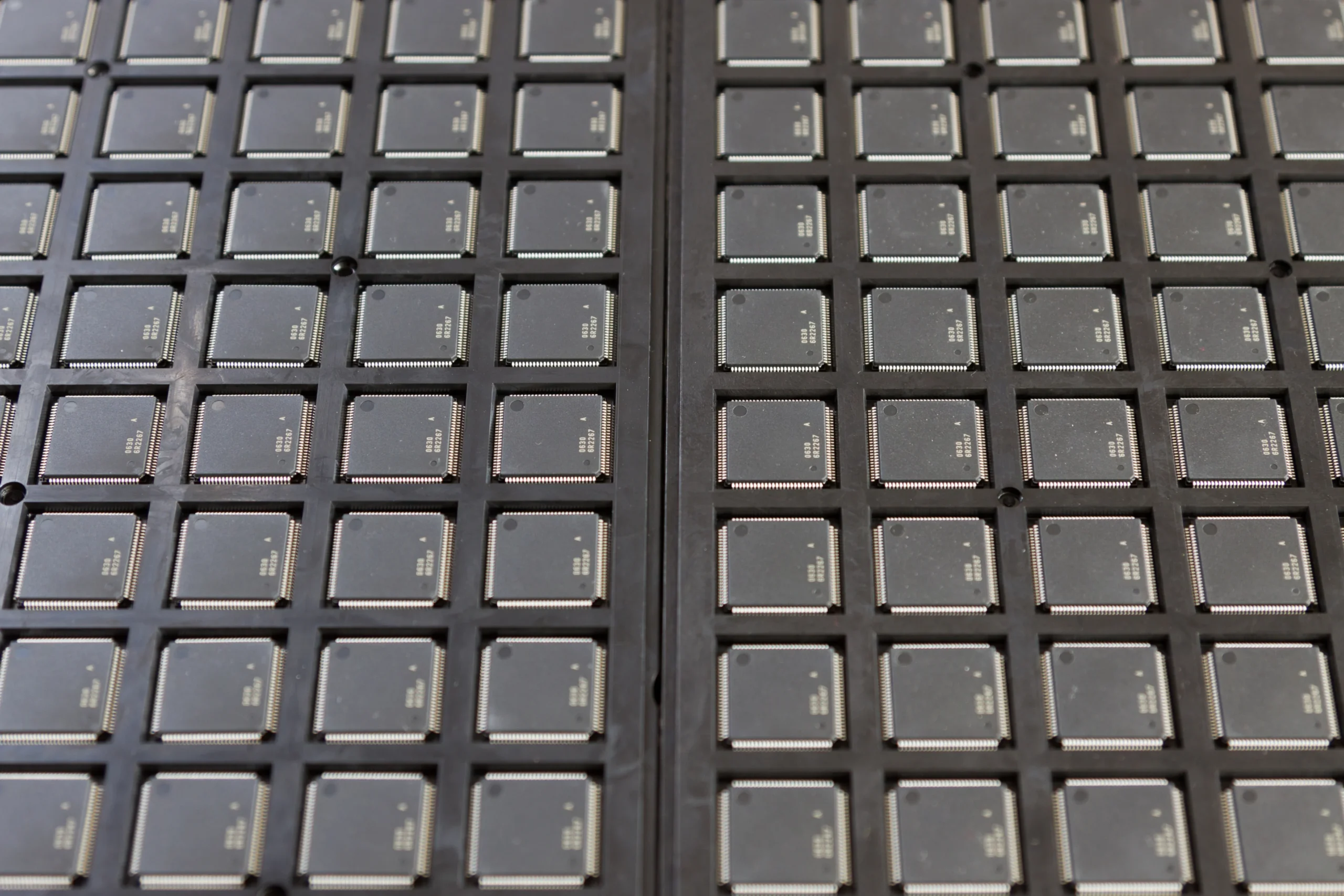
Plastic-encapsulated-microcircuits (PEM) Qualification of Commercial-off-the-shelf (COTS) components enables programs to align commercial microelectronics to defined qualification requirements without defaulting to over-engineered or schedule-disruptive pathways.
Programs do not engage us to test components. They engage us to determine the right component pathway before qualification and schedule risk compound.
US Semiconductor provides components and structured qualification-aligned sourcing strategies. We operate within mission-defined governance frameworks — not as a laboratory.
We align device-class trade studies to orbit profile. Unlike legacy
labs that follow rigid, one-size-fits-all checklists, our qualification
depth is scaled to mission risk and constellation replacement cadence.

Radiation tolerance is evaluated relative to orbit and duration.
We don’t just shield; we strategize. Structured radiation-tolerant
pathways align to defined reliability boundaries, optimizing for
performance without excessive margin overhead.
Repeatable qualification alignment, multi-batch sourcing stability, and structured replacement pathways protect cadence and cost discipline across deployment cycles.
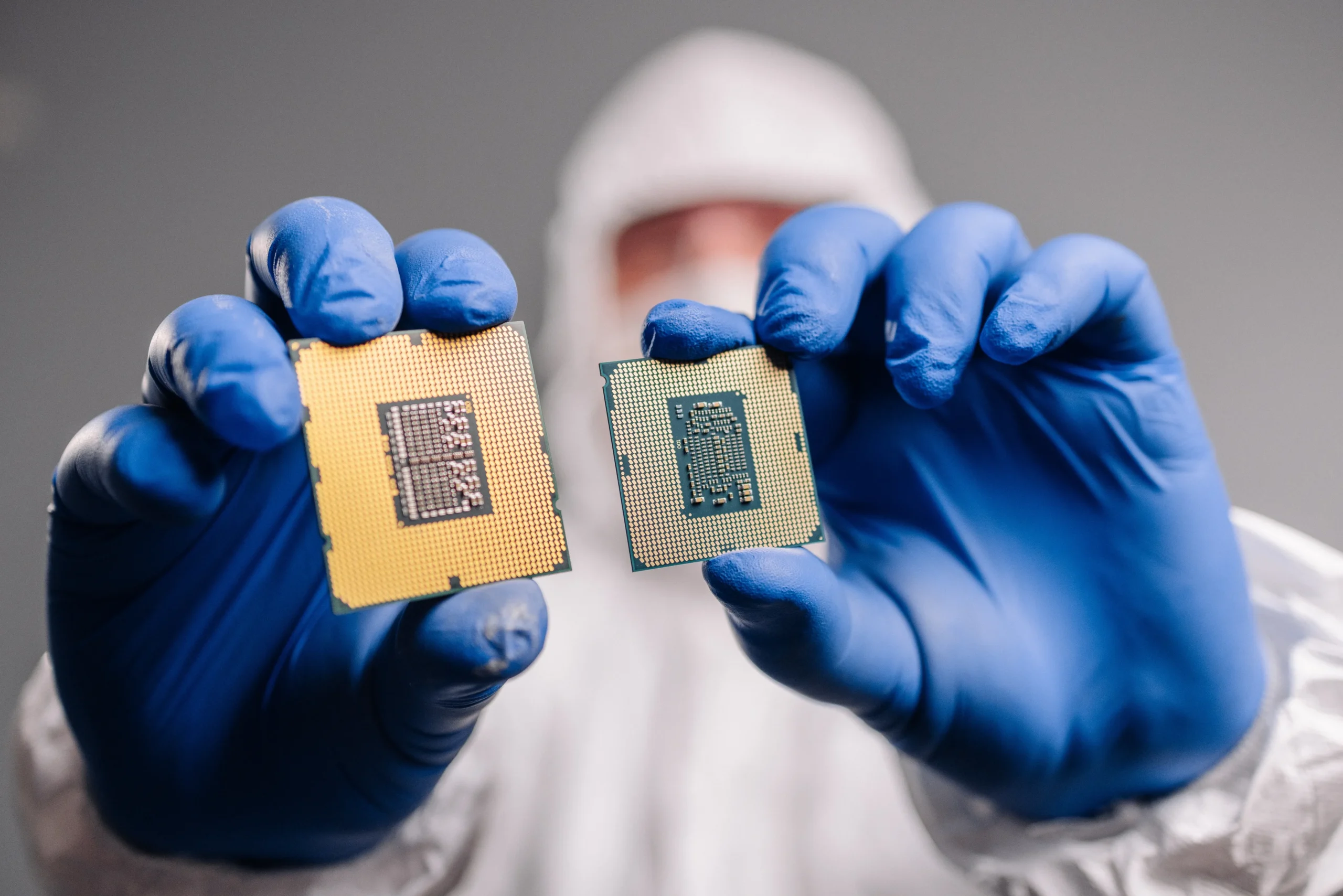
Commercial microelectronics can support mission-critical systems when aligned to clearly defined architectural constraints. Determining the appropriate qualification pathway requires evaluation of mission exposure, system redundancy, performance density requirements, and lifecycle continuity.
Low Earth Orbit, high-altitude defense platforms, and terrestrial harsh-environment systems experience different radiation and environmental conditions. TID accumulation, SEE susceptibility, temperature cycling, and vibration exposure influence how commercial components should be evaluated and qualified.
Flight systems, control architectures, and mission payloads require predictable compute behavior. Engineers evaluating COTS pathways frequently examine worst-case execution time, deterministic FPGA configuration stability, and memory integrity to ensure predictable operation across mission duration.
Commercial semiconductor vendors frequently migrate process nodes, discontinue product families, or consolidate manufacturing lines. Lifecycle-aware sourcing strategies protect long-duration missions and constellation deployments from unexpected component discontinuation.
Programs evaluating COTS pathways typically assess several component classes depending on architecture requirements and mission exposure constraints.
Embedded compute platforms are evaluated for deterministic timing stability, interrupt behavior, radiation tolerance where applicable, and lifecycle availability aligned to mission duration.
Reconfigurable compute platforms support signal processing, control systems, and mission logic. Engineers evaluate configuration stability, radiation susceptibility, and long-term vendor continuity when determining suitability.
EEPROM, SRAM, and flash devices are evaluated for data retention stability, radiation tolerance, interface compatibility, and package continuity across qualification cycles.
Power management ICs, regulators, and signal-conditioning devices must maintain electrical stability under environmental stress while supporting predictable system behavior.
Programs that adopt commercial components without structured qualification alignment frequently encounter avoidable engineering risks.
Late-stage discovery of radiation sensitivity, thermal instability, or lifecycle discontinuation can force redesign or qualification resets. Structured pathway determination ensures commercial components are aligned to mission exposure, redundancy strategy, and lifecycle expectations before architecture constraints limit flexibility.
Engage early to determine the most efficient component pathway aligned to mission exposure, schedule pressure, and cost structure.
Yes, when evaluated against mission duration, radiation exposure, and acceptable upset tolerance. Many LEO and shorter-duration missions can successfully use commercial or radiation-tolerant devices. The key is defining qualification boundaries before integration, not assuming all COTS devices are suitable.
It depends on orbit profile, mission life, and system redundancy. Radiation-tolerant devices may be appropriate when exposure is limited and recovery mechanisms are defined. High-exposure or long-duration missions typically require hardened components.
It depends on orbit profile, mission life, and system redundancy. Radiation-tolerant devices may be appropriate when exposure is limited and recovery mechanisms are defined. High-exposure or long-duration missions typically require hardened components.
It aligns component decisions to mission constraints early, reducing the likelihood of late-stage redesign, over-qualification, or supply chain issues. Proper pathway definition protects both schedule and cost.
Outline the specific component or system constraint your program is facing. Technical discussion only, focused on requirements, tradeoffs, and viable pathways.
"*" indicates required fields
Define your program context and where component decisions must be made. We’ll align on constraints, requirements, and the most effective pathway forward.
"*" indicates required fields