
Processors and microcontrollers sit at the center of mission logic. From flight-critical avionics and GN&C systems to ISR payload processing and industrial control platforms, compute devices determine timing stability, recovery behavior, state management, and system integrity.
US Semiconductor supports programs in determining and supplying processor and microcontroller pathways aligned to mission-defined qualification requirements, radiation exposure profiles, deterministic timing constraints, and lifecycle continuity. We do not design full systems. We provide components and structured pathway determination within mission-defined governance frameworks.
Processor selection influences worst-case execution time (WCET), interrupt latency stability, task scheduling determinism, power consumption, and thermal stability. Upstream compute pathway determination preserves architectural integrity.
Programs evaluate radiation-hardened processors, radiation-tolerant microcontrollers and SoCs, and commercial COTS devices aligned via structured qualification strategies depending on exposure profile and mission duration.
Evaluation includes TID accumulation, SEE susceptibility, LET exposure, and redundancy architecture alignment. Radiation is treated as a compute stability variable within component pathway determination.
Replacement must preserve deterministic behavior, peripheral compatibility, qualification alignment, and lifecycle continuity. Structured pathway determination reduces requalification risk.
Engineers designing mission-critical electronics must evaluate several architectural variables when selecting processor and microcontroller platforms.
Deterministic avionics and control systems depend on predictable compute timing. Processor architectures must maintain stable worst-case execution time and interrupt latency across operating conditions.
Processors operating in high-altitude or space environments must be evaluated for Total Ionizing Dose tolerance and Single Event Effects susceptibility relative to mission duration.
Embedded compute devices coordinate communication across sensors, storage devices, and control electronics. Stable interface timing and peripheral compatibility are essential for deterministic system behavior.
Processor platforms frequently evolve as semiconductor vendors migrate fabrication nodes or introduce new architectures. Programs must evaluate vendor roadmap stability to maintain long-term component availability.
Mission systems frequently combine processor selection with architecture strategies that maintain reliable compute behavior.
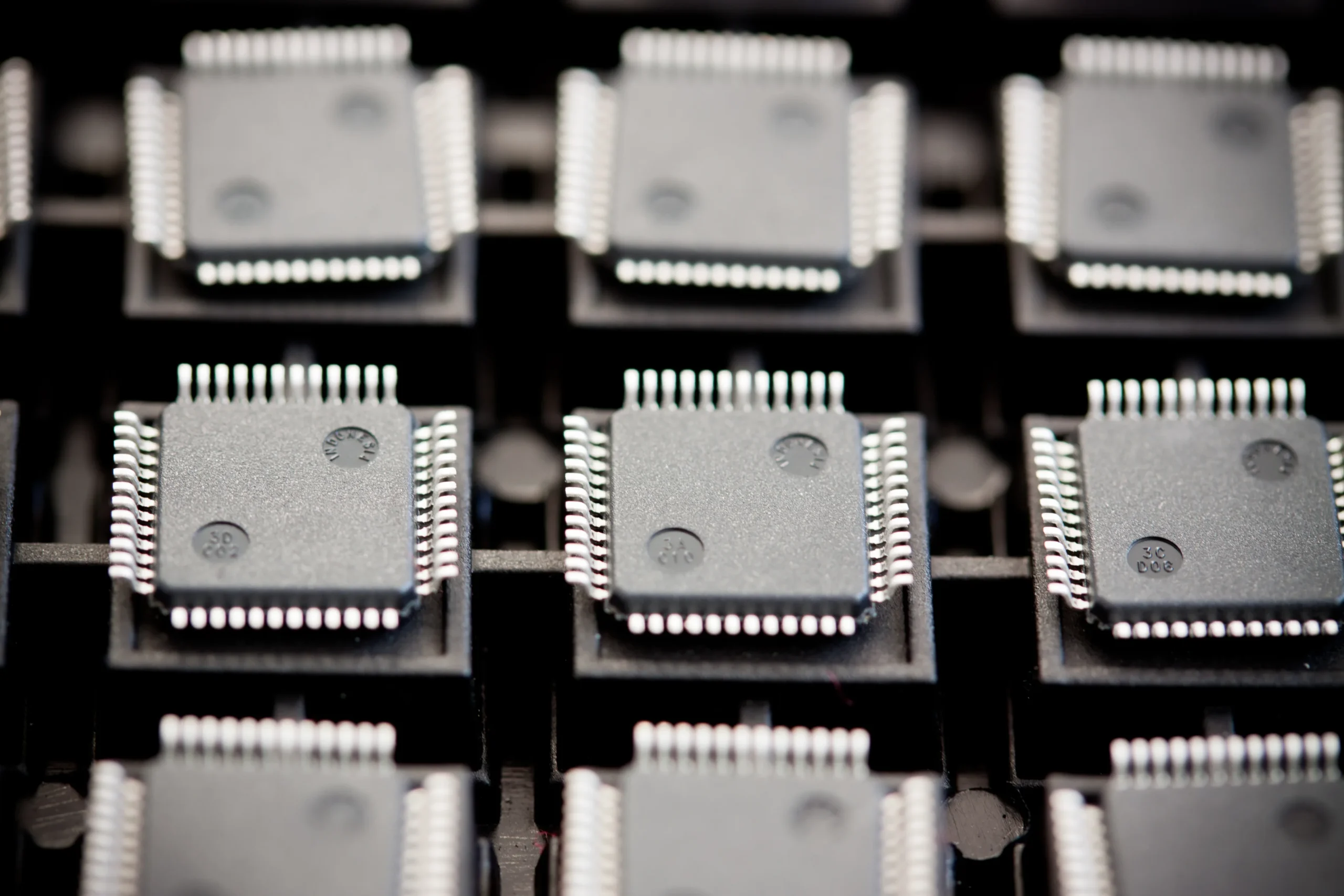
Systems may combine processors, microcontrollers, and FPGA platforms to distribute compute workloads across specialized processing resources.
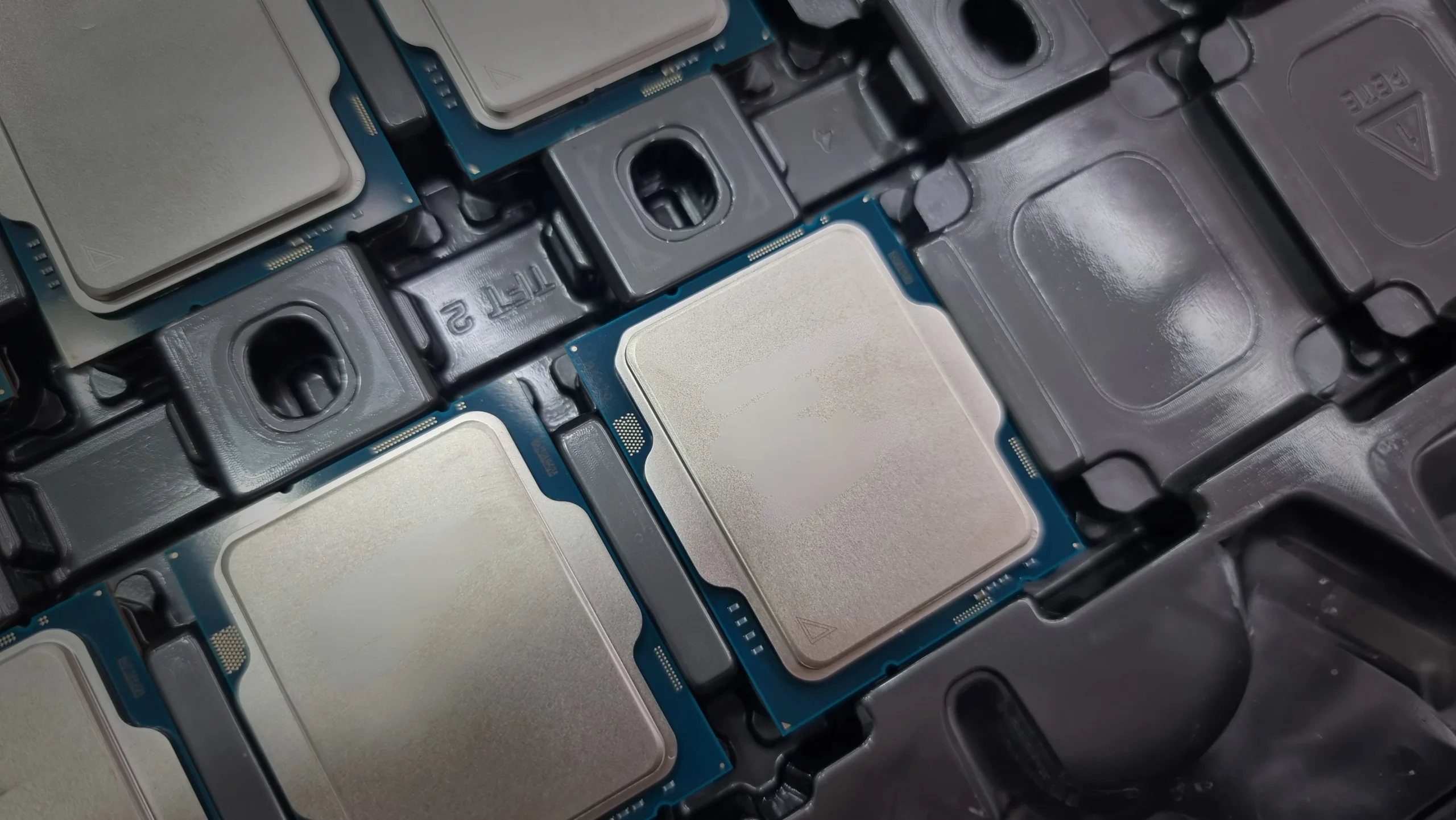
Redundant processing elements can maintain system operation if a compute device experiences a transient fault.
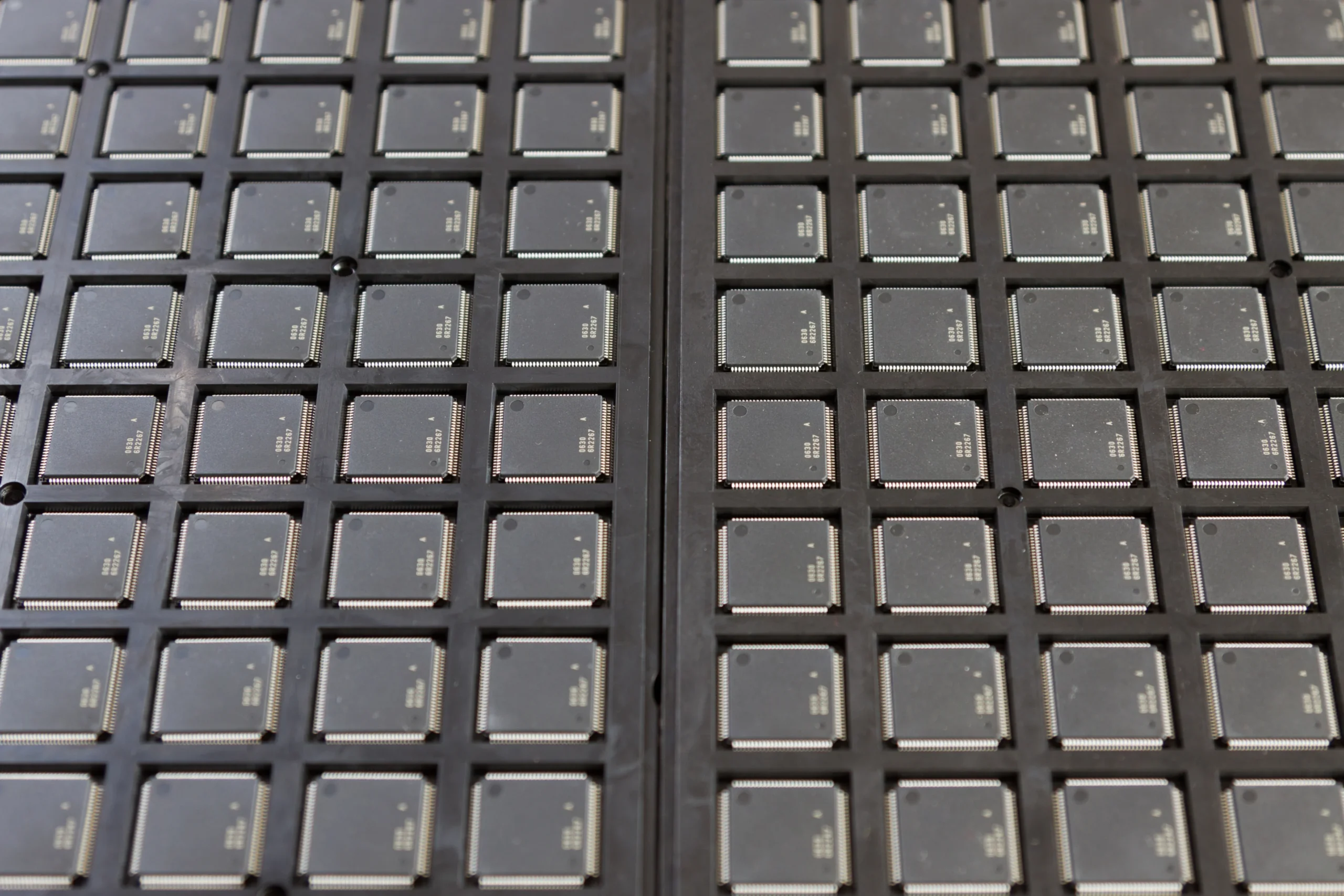
Reliable communication between compute devices and subsystem electronics preserves predictable system response across mission operations.
US Semiconductor provides processor and microcontroller components aligned to mission-defined qualification requirements, structures pathway strategies across commercial and radiation-tolerant platforms, coordinates validation where required, and preserves deterministic execution and lifecycle continuity.
Align commercial processors and microcontrollers to mission-defined qualification and reliability requirements.
Support deterministic processing for flight systems requiring stable timing, control, and failure response.
Enable stable compute architectures for guidance, navigation, and control system behavior.
Early alignment of radiation exposure, deterministic timing requirements, lifecycle continuity,
and qualification strategy protects mission stability and schedule integrity.
They control system logic, timing, and decision-making. Instability at the processor level affects the entire system.
It refers to predictable execution timing and behavior under all conditions, which is essential for control systems.
Radiation can cause transient or permanent faults. Systems must account for this through design and component selection.
Changes in timing, architecture, or interfaces can disrupt system behavior and require revalidation.
Outline the specific component or system constraint your program is facing. Technical discussion only, focused on requirements, tradeoffs, and viable pathways.
"*" indicates required fields
Define your program context and where component decisions must be made. We’ll align on constraints, requirements, and the most effective pathway forward.
"*" indicates required fields