
Component trade studies determine the most efficient pathway among radiation-hardened, radiation-tolerant, and commercial off-the-shelf (COTS) options.
Evaluation includes TID margin, SEE susceptibility, LET sensitivity, performance density, SWaP-C constraints, availability, and lifecycle continuity.
Trade studies frequently span FPGAs, processors, memory, power management, and analog devices aligned to mission constraints.
Engineers conducting semiconductor trade studies evaluate multiple architectural variables that influence system performance, environmental resilience, and lifecycle sustainability.
Total Ionizing Dose (TID), Single Event Effects (SEE), and Linear Energy Transfer (LET) thresholds must be aligned to mission orbit, altitude, and duration. These variables influence whether radiation-hardened, radiation-tolerant, or structured COTS pathways are appropriate.
Payload processing requirements, control-loop timing constraints, and sensor data bandwidth often determine whether FPGA, processor, or heterogeneous compute architectures are required.
SWaP-C considerations frequently influence device selection. Semiconductor platforms must operate within available power budgets and thermal envelopes while maintaining deterministic performance.
Trade studies must evaluate long-term component availability, vendor roadmap stability, and manufacturing lifecycle to ensure sustainment across mission duration.
Structured trade studies frequently evaluate multiple semiconductor classes depending on mission architecture requirements.
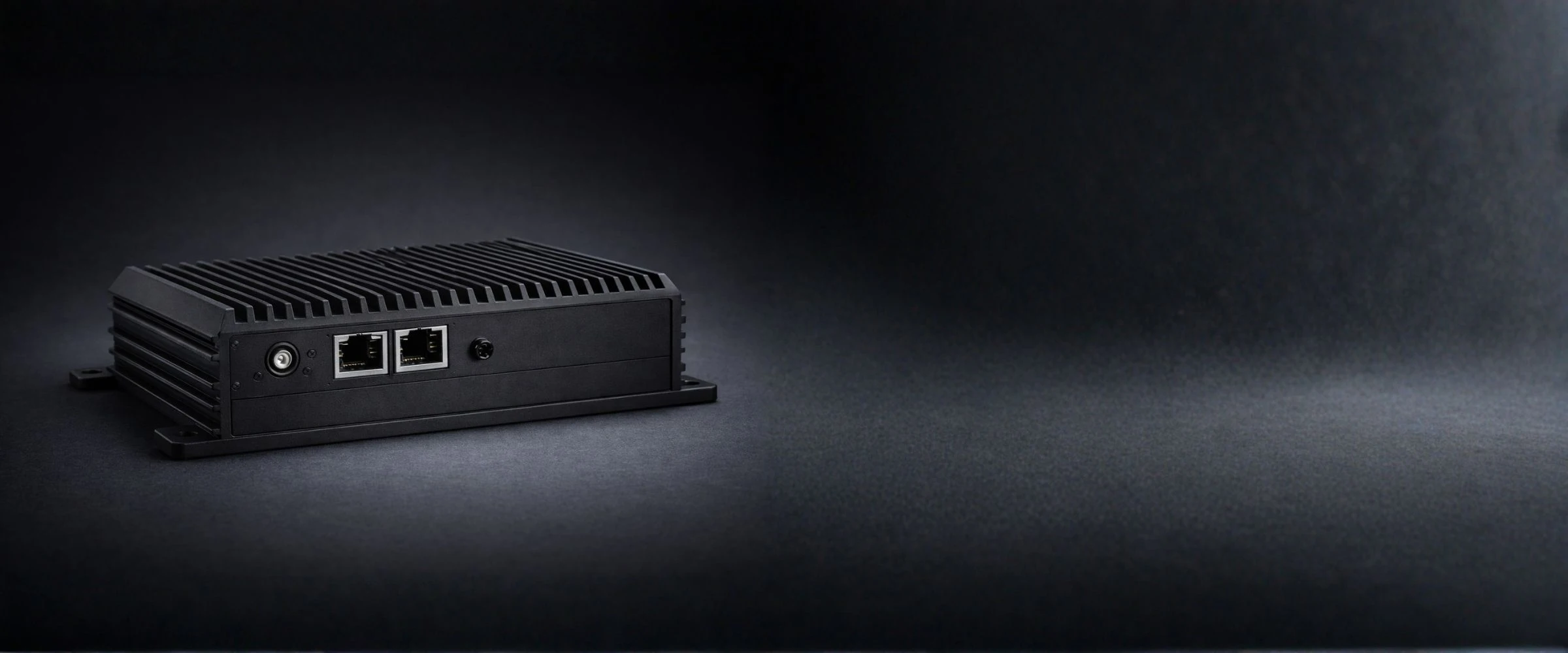
Reconfigurable logic platforms are evaluated for deterministic timing closure, configuration stability, radiation tolerance, and lifecycle availability.
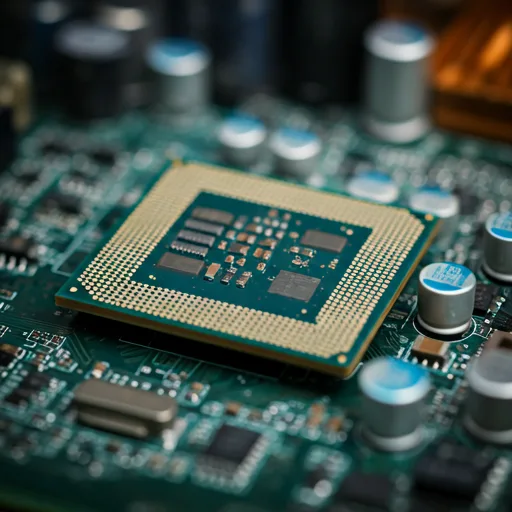
Embedded compute devices are assessed for worst-case execution timing, interrupt stability, power efficiency, and compatibility with avionics or payload architectures.
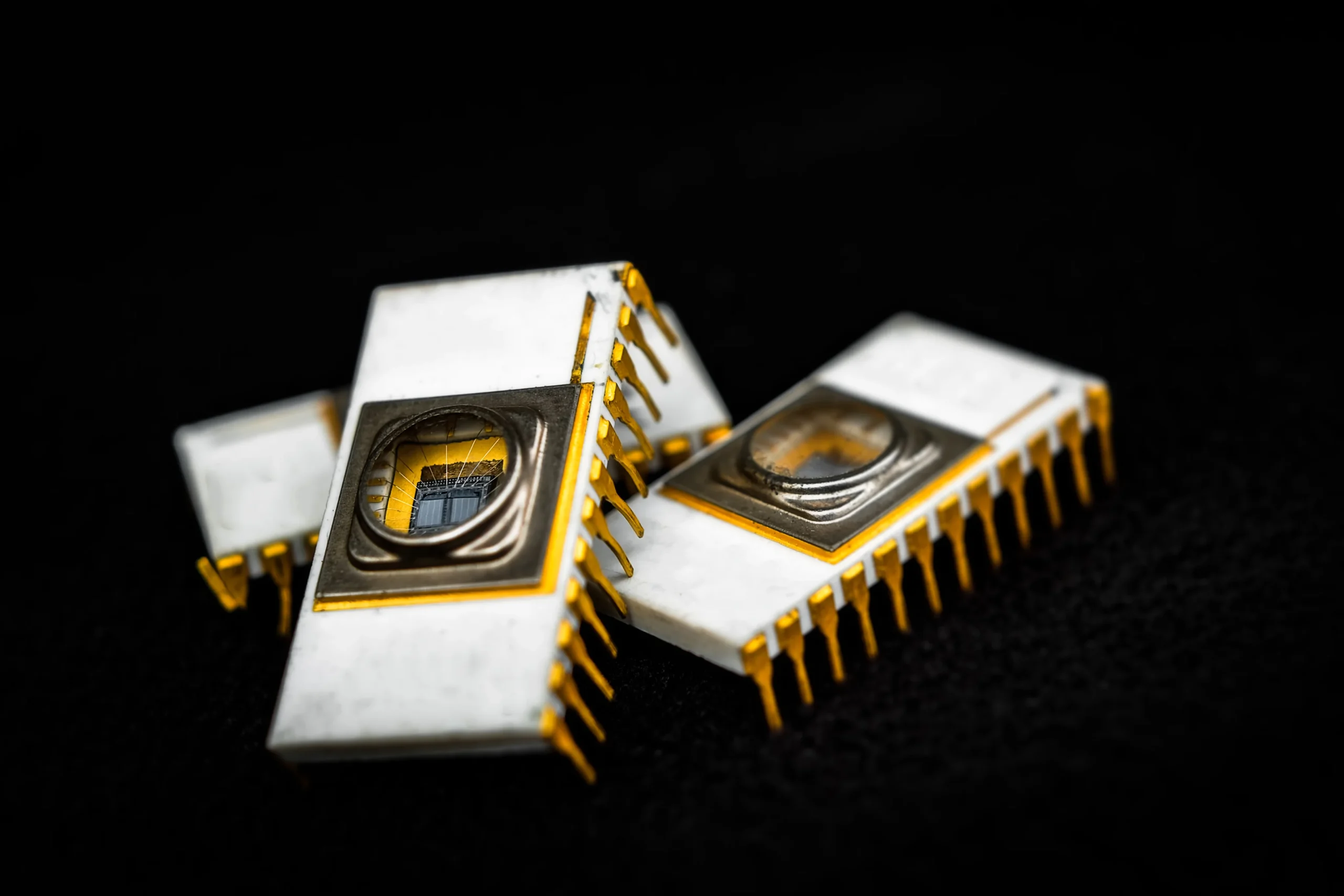
Trade studies often evaluate memory technologies for data retention stability, radiation susceptibility, interface compatibility, and long-term availability.

Power management and signal-conditioning devices are analyzed for electrical stability, environmental resilience, and compatibility with system power architectures.
Programs that bypass structured trade studies frequently encounter avoidable engineering risks when component assumptions fail to align with mission constraints.
Late-stage discovery of radiation sensitivity, compute performance limitations, or lifecycle discontinuation can force redesign events. Early trade study alignment reduces these risks and protects mission schedule and architecture stability.
Early determination of qualification alignment, radiation exposure,
and lifecycle continuity reduces schedule risk and protects mission integrity.
Outline the specific component or system constraint your program is facing. Technical discussion only, focused on requirements, tradeoffs, and viable pathways.
"*" indicates required fields
Define your program context and where component decisions must be made. We’ll align on constraints, requirements, and the most effective pathway forward.
"*" indicates required fields